


Self Defense That Works in Real Life
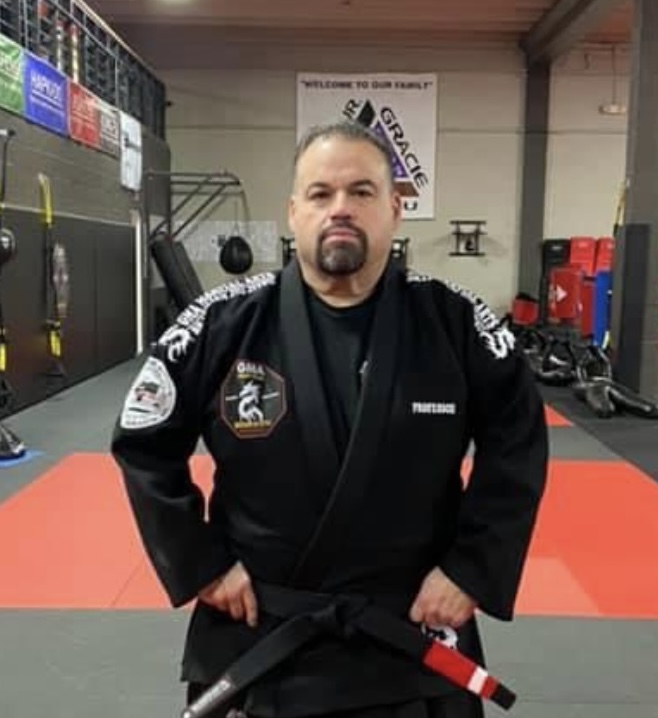
- GMA Professor Konrado
- Jun 17
- 6 min read
A lot of people picture self defense as a dramatic fight in a parking lot. Real life is usually less cinematic and far more preventable. More often, self defense starts with noticing a situation early, setting a clear boundary, moving to safety, and only using physical skills if there is no better option.
That matters for parents choosing a program for their kids, and it matters for adults who want practical training instead of guesswork. Good self defense is not about acting tough. It is about staying safe, staying calm, and having a trained response when pressure hits.
What self defense really means
Self defense is a complete skill set, not a single move. It includes awareness, posture, verbal confidence, distance management, decision-making, and physical technique. If training skips those pieces and focuses only on flashy combinations, it leaves students with an incomplete picture.
For children, that often means learning how to recognize unsafe behavior, use their voice, and get to a trusted adult quickly. For teens, it may include handling peer pressure, bullying, and boundary-setting in social situations. For adults, it can mean learning how to avoid escalation, protect space, and respond under stress if a confrontation becomes physical.
The best programs teach students when not to fight just as seriously as they teach how to fight. That balance is one of the biggest differences between entertainment and real training.
Why confidence matters in self defense
Confidence is not a bonus result. It is part of the skill itself. A person who stands upright, makes eye contact, speaks clearly, and moves with purpose is often harder to target than someone who appears unsure or distracted.
That is one reason martial arts training helps so many beginners, even before they become highly skilled. Repetition changes body language. Students learn how to stay composed, how to breathe through pressure, and how to respond instead of freezing.
Parents often see this first in small moments. A child who once avoided speaking up starts answering clearly. A teen who struggled with bullying becomes more assertive without becoming aggressive. Adults carry themselves differently at work, in public, and at home. Those changes are not accidental. They come from structured practice.
Self defense for kids is different from self defense for adults
This is where many people get it wrong. Children do not need adult-style tactics taught in a watered-down way. They need age-appropriate training built around safety, awareness, confidence, and simple actions they can remember under stress.
For a child, effective self defense may mean recognizing red flags, staying with safe groups, refusing inappropriate contact, creating space, and finding help fast. It also means learning self-control. A child who gains confidence but not discipline can make poor choices. Training should build both.
Adults usually need a different mix. They benefit from practical scenarios, stand-up defense, close-range control, escapes, and realistic responses to common threats. They also need conditioning, because technique works better when a person can move, breathe, and stay focused under pressure.
Neither group benefits from fear-based instruction. People learn better in an environment that is serious about safety but not built on panic.
Why live training matters
There is a reason experienced instructors place so much value on drilling with partners. Self defense is not just information. It is timing, pressure, balance, and decision-making. Those things are hard to develop by watching videos alone.
Live training teaches what resistance feels like. It shows students where their posture breaks down, where they hesitate, and which techniques actually hold up against movement. It also develops emotional control. A student learns how to think when another person is pushing back, which is a very different skill from repeating steps in the air.
That does not mean every class should feel rough or intimidating. Good instruction scales intensity to the student. Beginners need a safe place to learn fundamentals correctly. Children need structure and supervision. Adults need training partners they can trust. Realism matters, but so does smart coaching.
Which martial arts help with self defense?
The honest answer is that it depends on how they are taught. A style with strong instructors and realistic training can be highly effective. A style with poor coaching and no pressure testing can leave gaps.
Brazilian Jiu-Jitsu is especially useful because many real confrontations end up in close contact. Students learn control, escapes, leverage, and how to stay calm when someone is grabbing or pressing in. That is valuable for smaller individuals and for people who do not want to rely on strength alone.
Striking arts also matter. Knowing how to manage distance, protect your head, move your feet, and deliver simple, clean strikes can be important. Traditional training can add discipline, respect, and structure, especially for young students, when it stays connected to practical application.
A well-rounded program often gives students more than one answer. That matters because self defense situations are unpredictable. Some are verbal. Some involve grabbing. Some can be avoided entirely with awareness and distance. The goal is not to collect techniques. The goal is to build judgment and skill.
What parents should look for in a self defense program
The right school should make you feel that your child is challenged, supported, and safe. Watch how instructors manage the room. Do they have control without yelling? Do they correct students with clarity and respect? Do they keep children engaged while reinforcing discipline?
Also pay attention to culture. A strong self defense program should not glorify bullying, ego, or reckless behavior. It should teach students to protect themselves and others without rewarding aggression. Children need to know that strength and kindness belong together.
Ask how safety is handled, how beginner students are introduced, and how instructors adapt for different ages and personalities. Some kids need help coming out of their shell. Others need help slowing down and listening. A good academy develops both kinds of students.
For many families, the best fit is a place where children can grow for years, not just attend a few classes. Skills matter, but so does the environment around those skills.
What adults should expect when starting self defense training
Most adults worry about the same things at first. They wonder if they are too out of shape, too old, too inexperienced, or too nervous. Those concerns are normal. A quality school expects beginners and knows how to teach them.
You should not expect instant confidence in the first class. You should expect to learn basics, get comfortable with the structure, and begin building habits that become useful over time. Progress usually looks simple at first - better posture, calmer breathing, improved awareness, cleaner movement. Those are real wins.
You should also expect humility. Practical self defense training has a way of showing people what they do and do not know. That is a good thing. Honest training builds real confidence because it is earned.
At GMA Team, that kind of progress matters. Families and adults need training that is serious about self defense but still welcoming enough for a first day on the mat.
The role of fitness in self defense
Fitness is not the whole answer, but it helps every part of the answer. If your balance is poor, your reactions are slow, or your energy fades quickly, your options shrink. Training should improve strength, mobility, coordination, and endurance in ways that support real movement.
That does not mean students need to become athletes before they start. In fact, many people get fitter because they start training, not the other way around. Consistent classes give structure, accountability, and a reason to keep showing up.
For kids, physical training also supports focus and self-control. For adults, it can reduce stress while building a stronger sense of capability. Those benefits carry into daily life, which is one reason martial arts programs often become part of a family’s routine instead of a short-term phase.
Self defense is about preparation, not fear
The best reason to train is not that danger is everywhere. It is that preparation changes how you move through the world. You become more aware without becoming anxious. More confident without becoming reckless. More capable without needing to prove it.
That mindset serves children in school, teens in social settings, and adults in everyday life. It teaches that safety is not just luck. It is something you can practice, strengthen, and carry with you.
If you are considering self defense training for yourself or your child, look for a place that treats safety, respect, and real skill as part of the same mission. The right training does more than prepare you for a worst-case scenario. It helps you live with steadiness, confidence, and the kind of discipline that protects far beyond the mat.


Comments