


BJJ for Complete Beginners at Your First Class
- GMA Professor Konrado
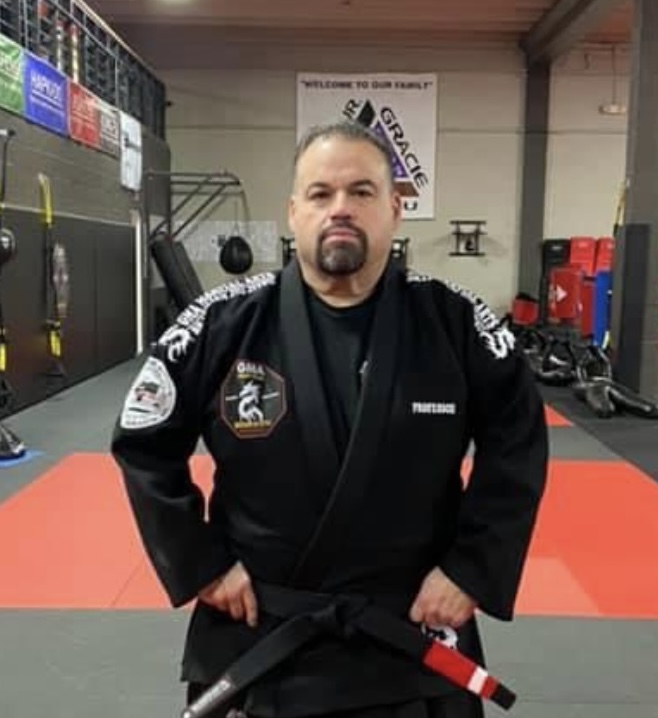
- 3 days ago
- 6 min read
Walking into a martial arts academy for the first time can feel more intimidating than the workout itself. You may wonder whether everyone else already knows what they are doing, whether you are fit enough, or what happens if you make a mistake. The truth is that bjj for complete beginners is built around learning one small skill at a time, with partners and instructors who help you improve safely.
Brazilian Jiu-Jitsu, often called BJJ, teaches you how to control distance, escape difficult positions, and protect yourself using leverage, timing, and body position. It can be a demanding martial art, but nobody needs experience, a certain body type, or a competition background to begin. You simply need a willingness to learn, listen, and keep showing up.
What Brazilian Jiu-Jitsu Is Really Like
BJJ is a grappling martial art. Instead of practicing punches and kicks as the main focus, students learn what to do when someone grabs, pushes, tackles, or takes the fight to the ground. Training includes positions such as the guard, mount, side control, and back control, along with escapes, controls, and submissions practiced under clear rules.
For many adults, the practical side of BJJ is what gets their attention. It gives you a way to respond with control rather than panic if a physical confrontation becomes unavoidable. For children and teens, it can build confidence without teaching them to look for fights. A young student who understands balance, personal space, and how to stay calm under pressure often carries themselves differently at school and around peers.
BJJ is not about being the strongest person in the room. Strength can help, but good technique matters because it helps a smaller person use angles, posture, grips, and leverage more effectively. That is also why beginning classes can be challenging in a good way. You are learning to solve physical problems, not just repeat an exercise until you are tired.
BJJ for Complete Beginners: What Happens First
Your first class should feel organized, not chaotic. Most beginner sessions start with a warm-up designed to prepare the body for movement on the mat. You may practice hip escapes, bridges, technical stand-ups, forward rolls, or partner drills. These movements can feel unfamiliar at first, and that is completely normal.
After warming up, the instructor usually demonstrates a small number of techniques. You might learn how to break a grip, escape from underneath someone, control an opponent from a safer position, or move without giving up balance. The instructor explains the details, then students practice with a partner at a controlled pace.
You are not expected to remember every detail on day one. In fact, trying to remember everything is one of the fastest ways to feel overwhelmed. Focus on one or two cues from the lesson. Maybe it is keeping your elbows close, protecting your neck, or using your hips instead of trying to push with your arms. Progress in BJJ comes through repetition.
Some classes include live training, often called rolling. For a complete beginner, this should be introduced responsibly. A good academy will explain the rules, match students thoughtfully, and make sure new people understand that rolling is practice, not a fight. You can tap at any time, and tapping is a smart training decision, not a failure. It tells your partner to stop so both of you can train again safely.
You Do Not Need to Get in Shape Before You Start
A common reason people delay training is the belief that they need to lose weight, get stronger, or improve their cardio first. BJJ can absolutely improve fitness, but it is also a skill you learn while building fitness. Waiting until you feel "ready" often means waiting much longer than necessary.
Your first few classes may leave you breathing hard. That does not mean you are doing badly. Grappling uses muscles and movement patterns that many people have not used before. You may also feel sore after training, especially in your hips, shoulders, and core. Give yourself time to adapt, drink water, sleep well, and avoid trying to prove something in every round.
For adults returning to exercise after years away, consistency matters more than intensity. Training two times a week with good focus is far better than one exhausting week followed by a month away. If you have an injury, medical concern, or physical limitation, tell the instructor before class. Techniques can often be adjusted, and a responsible school wants to help you train for the long term.
What to Wear and Bring to Class
Ask the academy whether the class is taught in a traditional gi or in no-gi clothing. A gi is the durable uniform used for many BJJ classes. No-gi training is usually done in a close-fitting athletic shirt and shorts or leggings without pockets, zippers, or loose material that could catch on fingers.
Wear clean training clothes, trim your fingernails and toenails, and bring water. Remove jewelry before stepping onto the mats. Good hygiene is part of respect in any martial arts school because training is close-contact. If you are sick, have a contagious skin condition, or have an open wound that cannot be properly covered, stay home and return when it is safe.
You do not need to arrive with expensive gear. A quality academy can tell you exactly what is required after you have had a chance to see whether the program is a good fit. At the beginning, a clean uniform, a coachable attitude, and regular attendance matter far more than having the latest equipment.
How to Be a Good Training Partner
BJJ is learned with other people, so the culture of the school matters. Training partners should help each other learn, not try to embarrass one another. You can be competitive while still being respectful, controlled, and aware of your partner's experience level.
As a beginner, use less strength than you think you need. When people feel nervous, they often hold their breath, squeeze too hard, and move as fast as possible. That tires you out and makes it harder to learn. Try to breathe steadily, listen when your partner gives feedback, and practice each movement with control.
It is also okay to say, "I am new," before drilling or rolling. Experienced students should take care of newer teammates. They remember what it felt like to be unsure of the positions, confused by the vocabulary, and tired after a short round. A family-oriented academy protects that learning environment by expecting respect from everyone on the mat.
What Parents Should Look for in a Kids BJJ Program
For children, BJJ should be more than roughhousing in uniforms. The right program teaches listening skills, manners, self-control, safe movement, and how to handle frustration. Children need instruction that is clear, age-appropriate, and structured enough to keep class safe and productive.
Parents should look for instructors who set firm boundaries without using fear or humiliation. A child may need encouragement to speak up, keep trying, and accept correction, but they should never feel bullied by instructors or older students. A positive academy also has clear safety procedures, qualified staff, clean mats, and a culture where parents can feel confident leaving their child in class.
The benefits often show up beyond training. Some children become more comfortable making eye contact and speaking clearly. Others learn to recover after losing a game or making a mistake. Those are valuable lessons in a classroom, at home, and in future challenges.
Set a Simple Goal for Your First Month
Do not judge your BJJ progress by whether you can submit someone quickly or keep up with an advanced student. A better first-month goal is to attend consistently, learn the names of a few positions, and become more comfortable moving on the mat.
You may have days when a technique clicks and days when it feels like everyone is moving faster than you. Both are part of the process. Brazilian Jiu-Jitsu rewards patience. Every class adds another layer of awareness, coordination, and confidence.
At Academia Rocian Gracie Jr. Brazilian Jiu-Jitsu USA TN Branch in Gallatin, beginners are welcomed as students, teammates, and part of a community built on respect. Start at your own pace, ask questions, and let each class be one more step toward becoming calmer, stronger, and more capable.


Comments