


How Self Defense Classes Reduce Stress
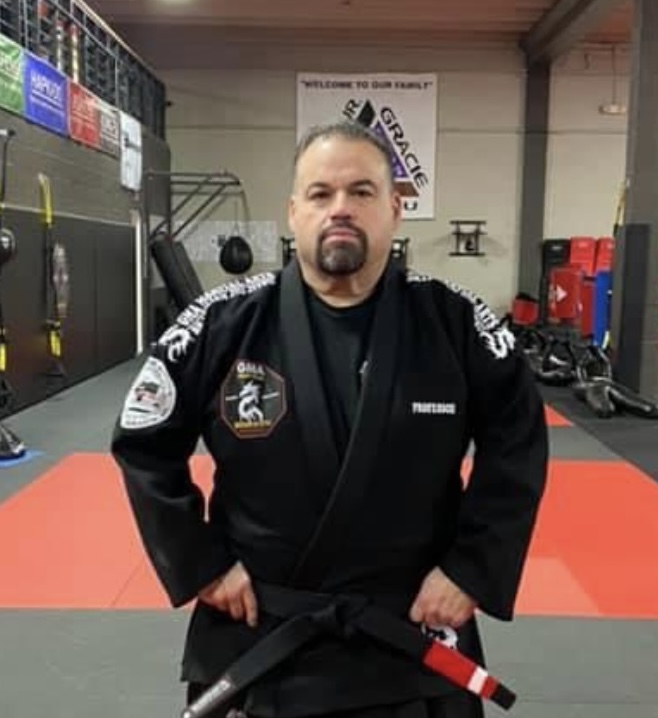
- GMA Professor Konrado
- 17 hours ago
- 6 min read
Stress rarely shows up all at once. For most people, it builds quietly - tight shoulders during the commute, a short temper after work, restless sleep, a child who seems more withdrawn than usual, or that constant feeling of being on edge. That is one reason how self defense classes reduce stress matters to so many families. The right training gives your mind and body a productive outlet, while also building confidence, structure, and a stronger sense of control.
For adults, stress often comes from pressure that never fully turns off. Work deadlines, family responsibilities, finances, and health concerns can leave you feeling like your nervous system is always running in the background. For kids and teens, stress can look different, but it is just as real. School pressure, social tension, bullying, screen overload, and low confidence can all create anxiety that follows them home.
Self-defense training helps because it does more than tire you out. A hard workout can help for an hour. Good martial arts instruction changes how you carry yourself, how you respond under pressure, and how safe you feel in your own body. That combination matters.
Why how self defense classes reduce stress is more than exercise
A lot of people assume stress relief comes only from physical activity. Movement absolutely helps. Training raises your heart rate, burns energy, and gives your mind a break from rumination. But self-defense classes add another layer that standard workouts often miss.
When you learn practical techniques, your brain starts replacing helplessness with competence. That shift is powerful. Stress tends to grow when life feels unpredictable or when you feel unprepared. Training gives you clear responses, steady progress, and a sense that you can handle more than you thought.
There is also a major difference between random exercise and structured practice. In a class, you are not just moving. You are focusing, listening, drilling, reacting, and improving. That type of concentration pulls you into the present moment. For many students, it becomes one of the few times in the week when they are fully engaged instead of mentally scattered.
The body calms down when it has a job to do
Stress is not only mental. It lives in the body. You feel it in your breathing, posture, sleep, jaw tension, and energy levels. Self-defense training helps release that buildup because it gives the body a clear task.
You move with purpose. You practice stance, balance, timing, control, and awareness. Instead of carrying tension, you start converting it into action. Over time, students often notice that they breathe better, sleep more deeply, and recover faster from stressful days.
This does not mean every class feels relaxing in the moment. Some days are challenging. Some techniques take patience. Some rounds push your conditioning. But that challenge is part of the benefit. You learn that effort does not have to equal panic. Your body gets used to working hard without feeling overwhelmed by it.
That lesson carries into everyday life. A busy workday, a difficult conversation, or a tough week at school can still be stressful, but it may not feel as consuming when you have trained your body to stay steadier under pressure.
Confidence lowers stress in everyday situations
One of the clearest answers to how self defense classes reduce stress is confidence. Not loud confidence. Not false bravado. Real confidence built through repetition and skill.
Many people feel stress because they do not trust their reactions. Adults may worry about personal safety, setting boundaries, or freezing in a tense moment. Parents may worry about whether their child can respond appropriately to bullying or peer pressure. Kids may feel anxious simply because they do not know how to stand tall and speak up.
Training helps close that gap. When students practice escapes, positioning, awareness, and calm decision-making, they stop feeling quite so vulnerable. They know more. They have done more. They begin to trust themselves.
That trust changes daily life. A person who feels more capable usually carries less fear into ordinary situations. They may walk with better posture, communicate more clearly, and recover more quickly from conflict. Stress does not disappear, but it often loses some of its intensity.
Routine and discipline create stability
A strong class environment also helps because it creates consistency. Stress gets worse when life feels chaotic. Martial arts training introduces a dependable rhythm - class times, warm-ups, partner work, instruction, and progress over time.
That routine can be especially valuable for children and teens. Many young students do well when expectations are clear and standards are consistent. A respectful training floor teaches them how to listen, stay engaged, and work through frustration without acting out. Those habits support emotional regulation far beyond class.
Adults benefit from this structure too. Showing up to train a few times each week creates healthy accountability. It gives you protected time away from your phone, your inbox, and the constant pressure to multitask. For many parents, that hour on the mat becomes one of the few parts of the week that is fully theirs.
Community makes stress easier to carry
People handle stress better when they do not feel alone. That is another reason the class environment matters so much. In a supportive martial arts school, students are challenged, but they are not left to figure everything out by themselves.
You train with instructors who correct and encourage you. You work with partners who help you improve. You become part of a group that values respect, self-control, and progress. That kind of environment can be a real relief, especially for beginners who may already feel intimidated by trying something new.
For families, this matters even more. Parents want more than a program that just keeps their kids busy. They want a safe, positive place where children are taught discipline without being torn down. They want an environment where confidence is built the right way. A healthy school culture can lower stress for the entire family because parents feel reassured and kids feel like they belong.
Kids and teens often show stress differently
Children do not always say, "I'm stressed." Instead, it may show up as irritability, low focus, poor posture, avoidance, or sudden emotional reactions. Teens may become withdrawn or seem constantly tense. Sometimes parents assume a child just needs more confidence, when what they really need is a healthy way to process pressure.
Self-defense classes can help by giving young students both physical release and emotional structure. They learn how to manage frustration, follow direction, and stay composed when something is difficult. They also build social confidence in a setting that rewards respect and effort.
For children dealing with bullying or fear of conflict, the change can be significant. The goal is not aggression. It is composure. A child who feels more secure often acts with more calm, and that alone can reduce a lot of daily stress.
It depends on the school and the teaching style
Not every class reduces stress in the same way. This is where families and adults should be selective. A good program challenges students, but it should also feel structured, respectful, and safe. If the culture is careless, overly aggressive, or driven by intimidation, it can add stress instead of relieving it.
Beginners usually do best in an environment that balances seriousness with encouragement. You want clear instruction, practical technique, and high standards. You also want instructors who understand that confidence is built step by step.
This is especially true for kids. A child may need time to warm up. An adult who has never trained before may feel awkward at first. That is normal. Stress relief often grows over several weeks as students become more comfortable, more coordinated, and more connected to the people around them.
The stress relief lasts beyond class
One of the best parts of training is that the benefits do not stay on the mat. Students often notice they are more patient at home, more focused at work, and less reactive in frustrating situations. Parents may see their child stand taller, listen better, and carry more self-control into school and friendships.
At GMA Team, that long-term growth is part of what makes training meaningful. Families are not just looking for activity. They are looking for confidence, discipline, safety, and a place where people build each other up.
If stress has been weighing on you or your child, self-defense classes can be a practical place to start. Not because they make life perfect, but because they help you meet life with more strength, steadiness, and peace of mind.


Comments