

Parent Guide to Martial Arts Safety
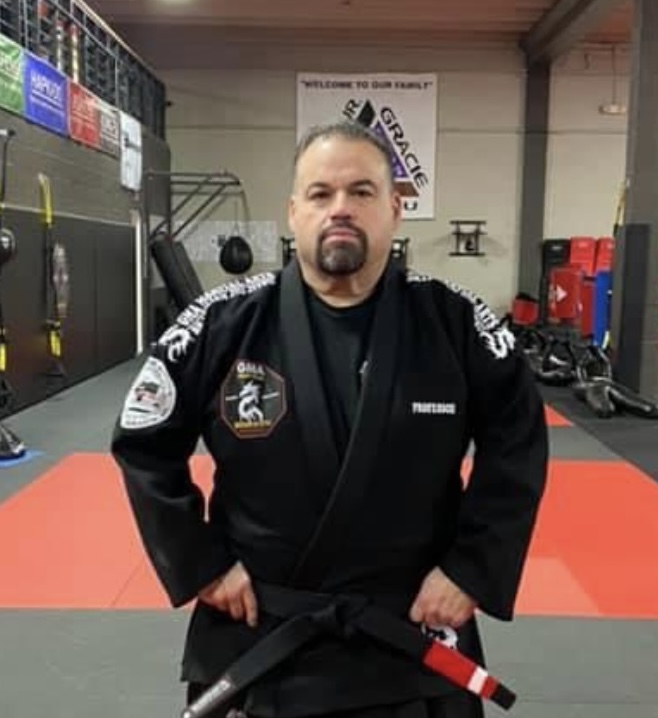
- GMA Professor Konrado
- May 30
- 6 min read
The first time your child steps onto the mat, you are not just watching a class. You are trusting a school with your son or daughter’s safety, confidence, and growth. That is why a parent guide to martial arts safety should start with one simple truth: the safest program is not always the flashiest one. It is the one with clear standards, steady instruction, and a culture of respect.
Martial arts can be one of the best activities a child or adult ever joins. Students build coordination, self-control, confidence, and practical self-defense skills. But safety does not happen by accident. It comes from qualified instruction, smart structure, and a school that takes responsibility for every student on the floor.
What a parent guide to martial arts safety should focus on
Many parents start by asking which martial art is safest. That is understandable, but it is not the best first question. Brazilian Jiu-Jitsu, karate, Taekwondo, Hapkido, and other styles all carry some level of physical risk because they involve movement, balance, timing, and partner work. The bigger issue is how the school teaches.
A well-run academy has age-appropriate classes, clear rules, active supervision, and instructors who know when to push students and when to slow things down. A poorly run program can make even basic drills feel chaotic. Style matters, but structure matters more.
Parents should also remember that safety includes more than injury prevention. Emotional safety matters too. Children learn best in an environment where bullying is not tolerated, correction is respectful, and students are taught self-control along with technique. A child who feels intimidated, singled out, or pressured to hide discomfort is not in the right place, no matter how impressive the curriculum looks.
How to evaluate a martial arts school safely
The best schools make safety visible. You should be able to see it in the way classes begin, how instructors speak to students, and how they manage the room. Watch how children line up, listen, and transition between drills. A disciplined class is usually a safer class.
Instructor quality is the next piece. Parents should feel comfortable asking about experience, certifications, background checks, and how staff members are trained to work with children. Strong programs do not act offended by these questions. They welcome them. When a school works with families, trust is part of the job.
Class size matters too, but there is some nuance here. A full class is not automatically unsafe if there are enough qualified instructors on the floor and the lesson is organized well. A small class is not automatically safe if students are left to roughhouse without correction. Look for a healthy instructor-to-student ratio and active coaching instead of passive observation.
Cleanliness is another sign of standards. Mats, restrooms, waiting areas, and shared gear should be kept clean and maintained. Good hygiene reduces the spread of common skin issues and helps show that the academy pays attention to details. Schools that are serious about health and safety usually show it in the condition of the facility.
Signs your child is training in a safe environment
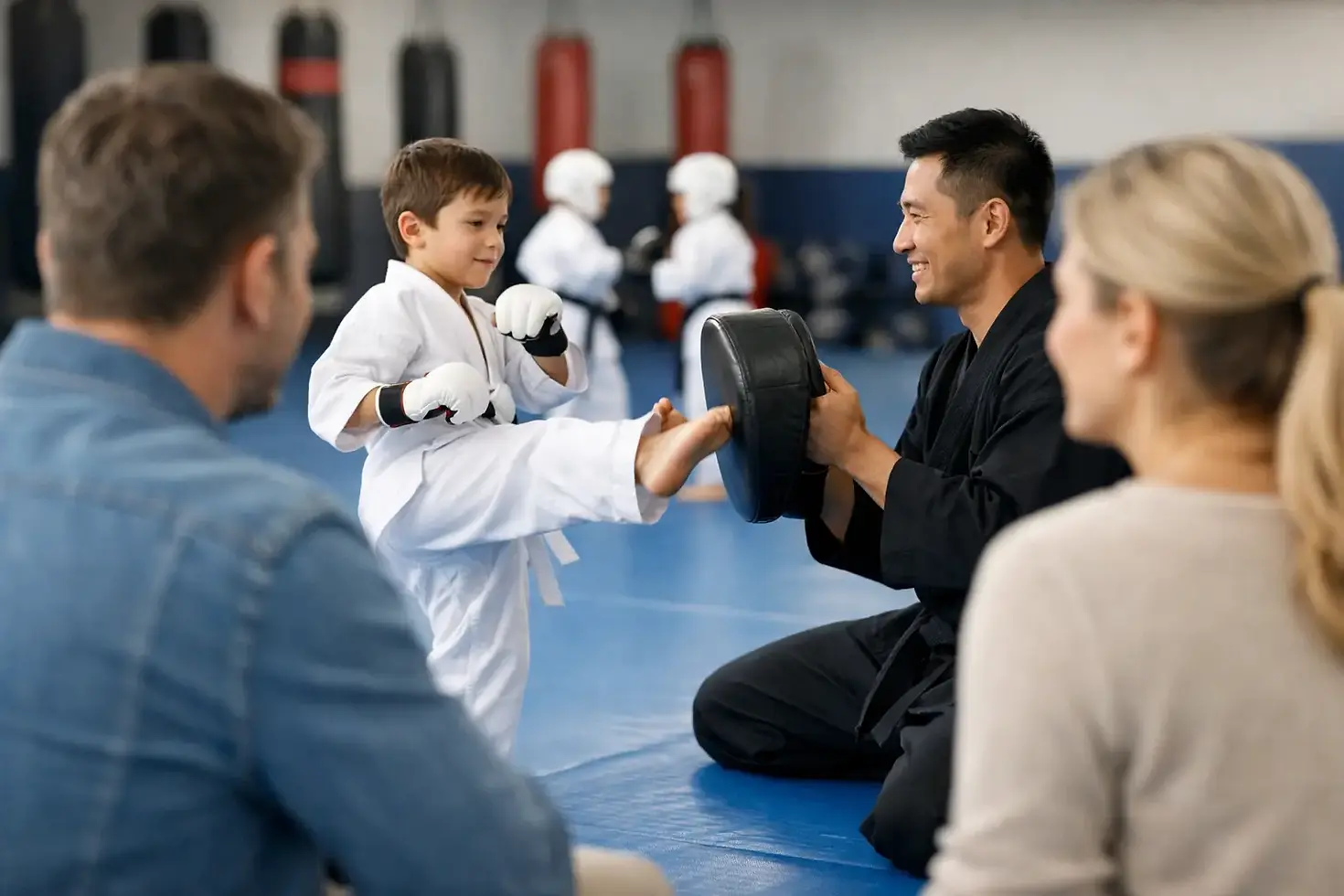
Children do not need a perfect class every day. They need a consistent one. Safe martial arts instruction usually includes a warm-up that prepares the body, technique practice that matches the student’s age and experience, and controlled partner work with supervision.
You should hear instructors using language that reinforces awareness and responsibility. Phrases like tap early, stop when told, stay in control, and respect your partner are small signals of a larger culture. In a safe academy, students are not praised for going too hard. They are praised for good technique, focus, and self-control.
It is also a good sign when beginners are not rushed into advanced drills. Children and new students need time to learn how to fall, move, balance, and understand boundaries. Progress should be earned in a way that builds skill without forcing students into situations they are not ready for.
Safe schools also pay attention to pairing. Size, maturity, experience, and temperament all matter. Sometimes a student needs a partner who is physically similar. Sometimes they need a more experienced partner who knows how to train gently. Good instructors make those decisions on purpose.
Common injuries and how good schools reduce risk
Most martial arts injuries are minor. They tend to be bumps, bruises, sore muscles, jammed fingers, or mild strains. Those things can happen in almost any youth sport. More serious injuries are less common, and the way a school handles training has a big effect on whether risks stay low or start climbing.
Warm-ups and movement prep matter because cold muscles and distracted bodies make mistakes. Controlled drilling matters because students need repetition before resistance. Clear rules matter because excitement can turn reckless quickly, especially with children.
Protective gear depends on the style and the drill. Sparring-based classes may use headgear, gloves, shin guards, or mouthpieces. Grappling classes may focus more on hygiene, safe takedown instruction, and tapping protocols than on padded equipment. There is no one-size-fits-all answer. What matters is whether the school explains why certain gear is used, enforces it consistently, and adjusts expectations by age and skill level.
Parents should also know that soreness is normal, but pain should never be ignored. A quality instructor wants students to speak up early. Toughness has its place in martial arts, but maturity is knowing the difference between healthy effort and unsafe strain.
The parent’s role in martial arts safety
A strong school does a lot, but parents still play a real part. Start with communication. Let instructors know about medical issues, previous injuries, attention needs, sensory sensitivities, or anything else that may affect training. That information helps staff coach your child more safely and effectively.
It also helps to keep expectations realistic. Some children need time to adjust to structure, noise, or close partner work. Others jump in quickly but need reminders about control. Safety improves when parents support steady development instead of chasing fast results.
Before class, make sure your child arrives rested, hydrated, and dressed properly. Keep nails trimmed, remove jewelry, and follow the school’s gear requirements. These small habits prevent a surprising number of avoidable problems.
After class, ask better questions than, Did you win? Ask whether your child listened well, showed respect, learned something new, or helped a teammate. That reinforces the values that make martial arts safer and more meaningful in the long run.
A parent guide to martial arts safety for younger kids
For younger children, the best safety feature is structure. Classes should be active, but not chaotic. Kids need clear boundaries, simple instructions, and frequent redirection. Long lectures usually do not work. Fast, supervised transitions do.
Parents should expect beginner-friendly classes to emphasize basics such as stance, balance, coordination, listening, and respectful partner behavior. That foundation protects children physically and teaches them how to be good training partners. Schools that skip those habits often create preventable risks later.
Emotional readiness matters too. Not every child is comfortable with contact right away. That is okay. A supportive instructor can help a child build confidence step by step without shaming them or forcing them into panic. In many cases, the safest approach is not doing less. It is progressing wisely.
When to ask questions or step back
If you see students left unsupervised during partner work, frequent rough behavior without correction, or instructors who dismiss injuries, pay attention. If your child seems unusually fearful, confused about rules, or pressured to continue when something feels wrong, that deserves a conversation.
One concern does not always mean a school is unsafe. Sometimes classes are busy, students have off days, or misunderstandings happen. But patterns matter. Parents should feel free to ask how contact is introduced, how discipline is handled, and what happens if a child gets hurt. Respectful questions are part of responsible parenting.
At GMA Team, family trust is earned through structure, supervision, and a culture that teaches students to protect themselves without losing respect for others. That balance is what many parents are really looking for.
Martial arts should make your child stronger, calmer, and more confident - not more anxious. When a school combines qualified instruction with high standards and genuine care, safety becomes part of every class, not just a rule posted on the wall. The right academy will help your family feel that from the moment you walk in.


Comments