


A Real Guide to Starting Jiu Jitsu
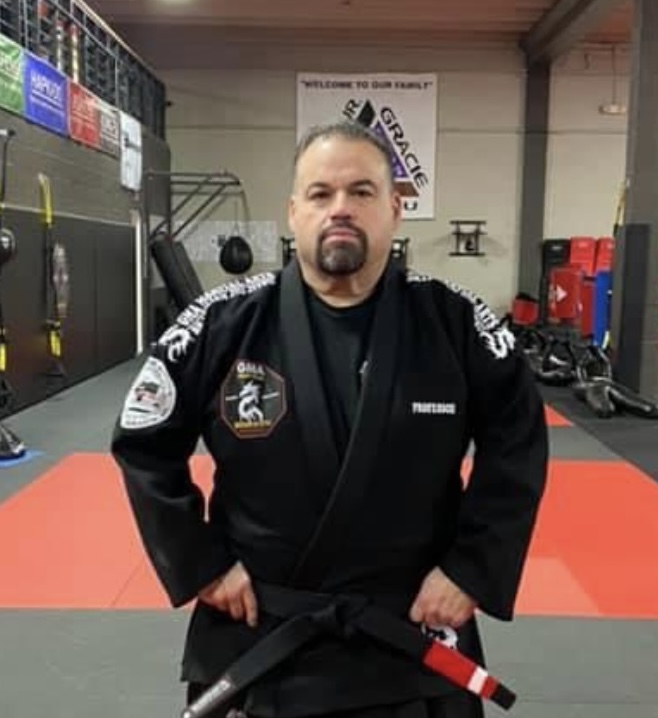
- GMA Professor Konrado
- May 18
- 5 min read
Walking into your first class can feel like the hardest part. That is why a good guide to starting jiu jitsu should do more than explain techniques. It should help you feel prepared, safe, and confident enough to take that first step onto the mat.
For some people, Brazilian Jiu-Jitsu starts with a goal like self-defense, fitness, or stress relief. For others, it starts with a child who needs more confidence, stronger focus, or a positive environment away from bullying and negative peer pressure. Whatever brings you in, the right school should make beginners feel welcome while still holding a high standard for discipline, respect, and real skill development.
Why people start jiu jitsu in the first place
Jiu jitsu attracts people for practical reasons. Adults often want a martial art that teaches realistic self-defense without requiring them to be the biggest or strongest person in the room. Parents are usually looking for something deeper than an after-school activity. They want structure, confidence, self-control, and a place where their child is known, encouraged, and protected.
That matters because Brazilian Jiu-Jitsu is not just exercise. It teaches body awareness, patience, and problem-solving under pressure. You learn how to stay calm in uncomfortable situations, how to think before reacting, and how to work through resistance instead of freezing. Those lessons carry over into school, work, and everyday life.
Still, not every student starts for the same reason. A teen may want confidence. An adult may want fitness. A parent may want anti-bullying support for a child. A beginner in their 40s may simply want a challenge that feels meaningful. Good instruction meets each student where they are.
What a beginner should expect in the first few weeks
One of the biggest fears beginners have is looking out of place. That concern is normal. The good news is that most schools expect new students to be unfamiliar with the language, positions, and pace of class.
In a quality beginner-friendly program, your first classes should focus on fundamentals. That usually means learning how to move safely on the ground, how to escape bad positions, how to control posture, and how to understand basic concepts like balance, leverage, and pressure. You do not need prior experience, and you do not need to be in top shape to begin.
You should also expect a learning curve. Jiu jitsu is physical, but it is also technical. Early on, you may feel like everyone else understands what is happening faster than you do. That is part of the process. Progress in this art often comes in layers. First, you survive unfamiliar situations. Then you recognize them. Then you respond with better timing and control.
For kids, the first few weeks should be structured and positive. A strong children’s program teaches respect, listening, and basic self-defense in a way that is age-appropriate. It should never feel chaotic or careless. Parents should be able to see that safety, supervision, and character development are part of the class, not an afterthought.
Your guide to starting jiu jitsu without overthinking gear
Beginners often assume they need to buy a lot before they start. Usually, that is not true. Many schools let trial students begin with simple workout clothes for no-gi classes or provide guidance before you invest in a uniform.
If you train in the gi, you will eventually need a proper jiu jitsu uniform that fits well and allows movement. If you train no-gi, a rash guard and athletic shorts without pockets are common. Hygiene matters from day one. Clean gear, trimmed nails, and basic mat etiquette are part of respecting your training partners.
What matters more than expensive equipment is consistency. It is better to start with the basics and train regularly than to spend money on gear you do not yet understand how to use. A trustworthy school will help you buy what you need when you actually need it.
How to choose the right school
This is where your experience will be shaped more than anywhere else. A great academy does not just offer classes. It builds a culture.
Look closely at how beginners are treated. Are new students greeted and guided, or ignored until they figure things out on their own? Is the instruction organized? Are safety standards clear? Does the room feel respectful, or does it feel like people are trying to prove something every round?
For families, the environment matters even more. Parents should feel comfortable asking questions and seeing how the school handles discipline, encouragement, and supervision. If a school says it is family-friendly, you should be able to feel that in the way instructors speak to children, how staff interact with parents, and how students treat one another.
You should also consider the school’s teaching philosophy. Some academies are heavily competition-focused. Others balance sport training with self-defense, fitness, and personal growth. Neither is automatically wrong, but the right fit depends on your goals. If you are a parent enrolling a child, or an adult who wants practical self-defense in a supportive setting, you may want a school that values fundamentals, structure, and long-term development over intensity for intensity’s sake.
This is one reason many families appreciate a place like GMA Team. The difference is not just in the curriculum. It is in the culture - disciplined, welcoming, and committed to helping beginners grow with confidence.
What beginners get wrong about progress
The most common mistake is expecting fast mastery. Jiu jitsu rewards steady work, not rushed results. You may tap often at first. You may forget techniques you learned last class. You may leave class feeling tired, humbled, and unsure whether you improved at all.
That does not mean training is not working. It usually means you are learning honestly.
A better way to measure progress is to notice small changes. Are you staying calmer when someone pressures you? Are you remembering one escape instead of none? Is your child more focused, more respectful, or more willing to try hard things? Those are real wins.
Another mistake is comparing yourself to advanced students. They are not your competition. They are a picture of what time, consistency, and good coaching can produce. Your job is to show up, listen, and improve one piece at a time.
Is jiu jitsu good for everyone?
In many cases, yes, but the right approach depends on age, goals, and physical condition. A young athlete may enjoy a more demanding pace. A parent returning to exercise after years away may need a slower start. A child who is shy may need encouragement before they fully participate. A student with previous injuries may need modifications and careful coaching.
That is why one-size-fits-all instruction does not work well. The best programs adjust without lowering standards. They keep expectations clear while helping each student progress safely.
For adults, jiu jitsu can be one of the most practical and rewarding martial arts to start because it combines fitness, problem-solving, and self-defense. For children, it can be a strong foundation for confidence, discipline, and resilience. The key is being in a school that understands how to teach both skill and character.
The best mindset for starting jiu jitsu
Come in ready to learn, not to impress. You do not need to prove toughness on your first day. You need to pay attention, follow instruction, and treat training partners with respect.
If something feels confusing, ask. If you get tired, pace yourself. If your child is nervous, give them time to settle in while staying encouraging and consistent. Most people who succeed in jiu jitsu are not the ones who begin with the most talent. They are the ones who keep showing up with humility and patience.
There will be hard days. Some classes will click, and some will not. But over time, the mat has a way of building people. It teaches composure, accountability, and confidence that is earned, not borrowed.
If you are looking for a guide to starting jiu jitsu, start with this thought: choose a school where safety is real, standards are clear, and people want to see you succeed. When the environment is right, beginners do not stay beginners for long.


Comments