


Character Development Through Martial Arts
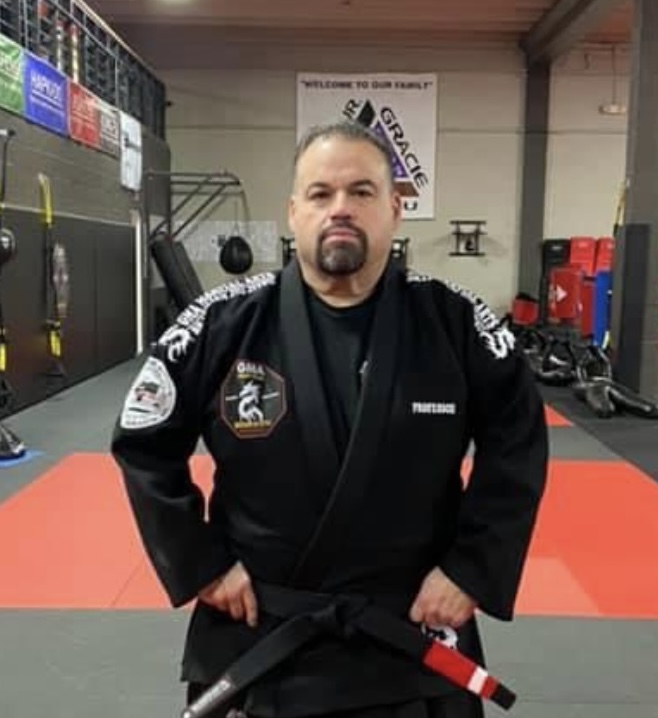
- GMA Professor Konrado
- 2 hours ago
- 6 min read
A child who struggles to make eye contact on day one can become the student who says, "Yes, sir," helps a new classmate, and stands taller at school within a few months. An adult who walks in stressed, distracted, and out of shape can become calmer, sharper, and more disciplined in daily life. That is character development through martial arts at its best. It is not a slogan. It is what happens when training is consistent, standards are clear, and students are surrounded by the right kind of guidance.
At a good martial arts school, character is not taught in a lecture once a month. It is built class by class. Students bow in, listen carefully, follow directions, control their emotions, and keep working when something feels difficult. Over time, those habits stop being "martial arts habits" and start becoming life habits.
Why character development through martial arts works
Martial arts gives people something many modern activities do not - immediate feedback. If a student rushes, ignores details, or loses focus, it shows right away. If they stay calm, use technique, and practice with patience, they improve. That connection between behavior and results is powerful.
For children, this matters because character is often shaped more by routine than by speeches. A child may not remember a long talk about respect, but they will remember what it means to line up properly, wait their turn, address instructors politely, and treat training partners with care. Repetition builds habits, and habits shape character.
For teens, martial arts creates structure during a stage of life that can feel uncertain. Teen students benefit from having expectations that are firm but fair. They learn that confidence is earned, not faked. They also learn that toughness is not the same as aggression. Real strength includes self-control.
For adults, the value is just as real. Character development is not only for kids. Adults grow when they commit to something challenging, stay consistent, and learn to respond under pressure without panic. Training can sharpen discipline at work, patience at home, and resilience during stressful seasons of life.
The character traits martial arts develops
Discipline that carries into everyday life
Discipline is one of the first changes families notice. Students learn to show up on time, wear the proper uniform, follow class structure, and practice even when they are tired. That may sound simple, but it has a real effect.
A disciplined child often starts listening better at home and focusing better in school. A disciplined adult is more likely to stay committed to fitness, handle responsibilities well, and follow through on goals. Martial arts does not create perfection, and progress is rarely linear, but it does train people to do what needs to be done even when motivation comes and goes.
Respect without fear
Respect in martial arts should never mean intimidation. In a healthy academy, respect is shown through manners, attention, and self-control. Students learn to respect instructors, training partners, parents, and themselves.
That last part matters. Self-respect grows when students see what they are capable of. They begin to carry themselves differently. They stop needing constant approval because they know they are putting in honest work. This kind of respect is steady, not loud.
Confidence built on real effort
There is a big difference between empty confidence and earned confidence. Martial arts gives students real evidence of growth. They remember the first technique they could not do, then realize they can do it well. They remember being nervous in class, then notice they are helping others feel comfortable.
For children, that confidence can help with social situations, bullying concerns, and school challenges. For adults, it can mean better boundaries, better self-defense awareness, and a stronger sense of calm in uncomfortable situations. Confidence built through training tends to be more grounded because it comes from practice, not just encouragement.
Resilience when things get hard
Not every class feels easy. Some techniques take time. Some rounds are frustrating. Some days a student feels off. Martial arts teaches people to keep going without falling apart over setbacks.
That is one of the most valuable parts of training. Students learn that struggle is not failure. It is part of growth. They learn to breathe, reset, and try again. In life, that can translate into handling disappointment better, managing emotions more maturely, and staying steady when things do not go according to plan.
How the training environment shapes character
Character development does not happen automatically just because someone joins a martial arts class. The school culture matters. A lot.
A supportive, bully-free environment helps students grow without feeling humiliated. Standards still need to be high, but students should feel safe enough to learn. If the atmosphere is chaotic, careless, or ego-driven, students can pick up the wrong lessons. If the atmosphere is structured, respectful, and encouraging, they develop the right ones.
This is especially important for children. Parents are not only choosing a program. They are choosing an environment that will influence how their child sees authority, teamwork, competition, and personal responsibility. The best academies balance warmth with accountability. Students feel welcomed, but they also know expectations matter.
At a family-centered school like Rocian Gracie Jr Brazilian JiuJitsu USA TN Branch, that balance is part of what makes training meaningful. Students are not treated like numbers. They are taught, corrected, encouraged, and expected to grow.
Martial arts and anti-bullying confidence
Many parents first look into martial arts because their child needs confidence. Sometimes that concern is tied to bullying. Sometimes it is quieter than that. A child may be shy, easily discouraged, or unsure of how to speak up.
Martial arts can help, but it helps in the right order. First, students learn awareness, posture, and self-control. Then they learn boundaries and practical self-defense skills. That progression matters because the goal is not to turn children into fighters. The goal is to help them become harder to intimidate and better prepared to respond appropriately.
Children who train consistently often look more confident before they ever need to use a technique. Bullies usually target easy reactions - fear, hesitation, poor posture, isolation. Martial arts changes how a child carries themselves. It also puts them in a community where positive friendships and responsible role models are part of the experience.
Why different ages develop differently
The same training principle does not always produce the same result for every age group. Young children often develop listening skills, patience, and manners first. That is a major win, even if their techniques are still basic.
Teens usually benefit from responsibility and identity-building. They want challenge, progress, and a sense of purpose. Martial arts gives them a place to earn respect through effort instead of chasing attention in unhealthy ways.
Adults often come in for self-defense or fitness, then realize the mental side is what keeps them training. They appreciate stress relief, but they also start seeing improvements in consistency, confidence, and self-command. For some adults, the biggest shift is learning how to stay calm under pressure.
What parents and beginners should realistically expect
Character growth is real, but it is not instant. A child will not become more respectful after one class. An adult will not become more disciplined in a week. The change comes from regular training and reinforcement over time.
It also depends on consistency at home. Martial arts works best when academy expectations and family expectations support each other. If a student is taught respect, accountability, and perseverance in class, those lessons grow faster when parents reinforce them outside the academy.
Beginners should also know that progress is rarely perfect. Students have good days and bad days. Children test limits. Adults get frustrated. That does not mean training is not working. Often, it means the process is doing exactly what it should - exposing weaknesses so they can be improved.
More than a workout, more than a hobby
People often start martial arts for practical reasons. They want self-defense, fitness, focus, or a positive activity for their child. Those are great reasons to begin. But over time, many families realize the deeper value is not just what students can do. It is who they are becoming.
A student who learns to stay respectful when challenged, calm when pressured, and disciplined when no one is watching is gaining something that reaches far beyond the mat. Those qualities matter in school, at work, at home, and in every part of life.
That is why martial arts remains such a strong path for personal growth. It gives students a place to struggle safely, improve honestly, and belong to something positive. In a world where many people are looking for stronger values, steadier confidence, and real connection, that kind of training still matters deeply.
The best results do not come from chasing belts alone. They come from showing up, staying coachable, and letting the lessons shape you over time.


Comments