

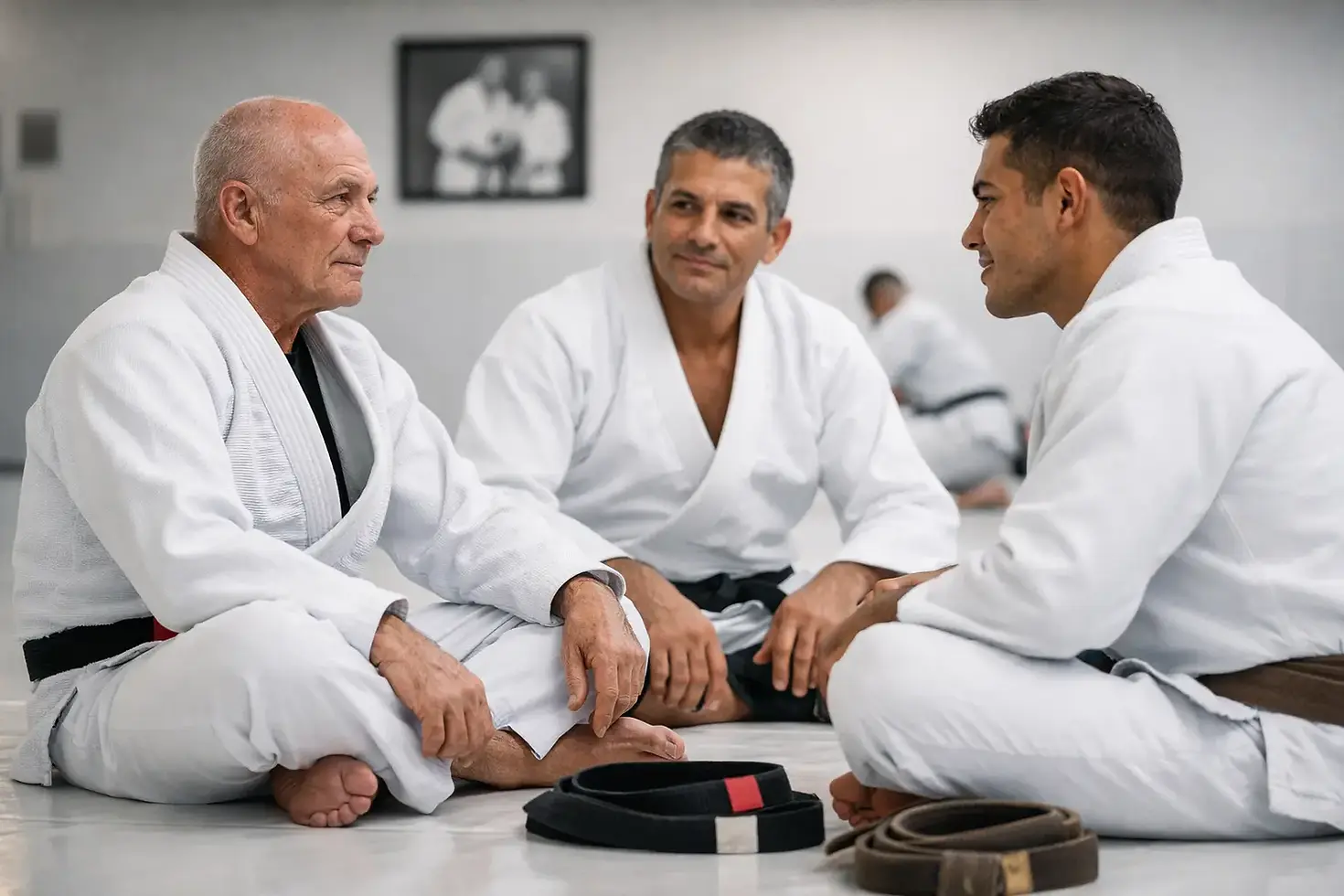
What Gracie Jiu Jitsu Lineage Really Means
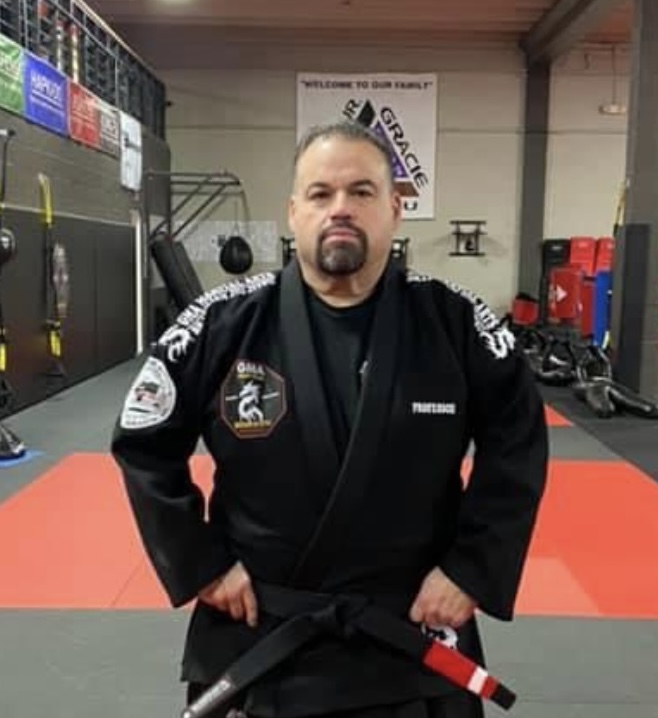
- GMA Professor Konrado
- 22 hours ago
- 6 min read
Walk into any serious academy and you will eventually hear someone mention gracie jiu jitsu lineage. For beginners, that can sound like insider language. For families looking for the right school, though, lineage is not about politics or name-dropping. It is about knowing who taught your instructor, what standards shaped the program, and whether the training you or your child receives is grounded in real experience and responsibility.
In martial arts, lineage matters because trust matters. If a school says it teaches self-defense, discipline, and Brazilian Jiu-Jitsu the right way, families deserve to know where that instruction comes from. A clear lineage helps show that the techniques were passed down through qualified teachers, not pieced together from videos, trends, or loose interpretations.
What gracie jiu jitsu lineage means
At its core, lineage is the instructional family tree of an academy or instructor. It shows how knowledge was handed down from teacher to student over time. In Gracie Jiu-Jitsu, that chain has special weight because the art was built around practical self-defense, positional control, timing, leverage, and the ability to protect yourself under pressure.
When people ask about lineage, they are usually asking a few things at once. Who trained this instructor? Were they promoted by recognized teachers? Was their training consistent with traditional standards? And just as important, does their academy still reflect those standards in how they teach?
That last point matters more than many people realize. A lineage is not just a framed photo on the wall. It should show up on the mats every day in the way beginners are introduced to the art, how grappling is supervised, how children are corrected, and how respect is maintained in class.
Why lineage matters for beginners and families
If you are a parent, lineage can help you cut through marketing fast. Plenty of schools use the words self-defense, discipline, and confidence. Those are good goals, but they do not all teach with the same structure or care. A strong lineage often points to a school that follows a proven Rocian Gracie Jr. system instead of improvising as it goes.
For adults, lineage can offer a different kind of reassurance. Starting martial arts takes humility. Most people want to know they are learning from someone who has spent years under qualified instruction, not someone who simply adopted the look and vocabulary of Jiu-Jitsu. That does not mean every good instructor has the same path, but it does mean accountability matters.
There is also a practical side. Good lineage often shapes how a school teaches safety, control, and rank level progression. That is especially important for children, teens, and beginners who need structure before intensity. A reputable academy understands that confidence grows best in an environment where standards are clear and students are protected.
The difference between lineage and branding
This is where families can get confused. The Gracie name is respected for good reason, but the name alone is not enough. A school can use familiar terms, logos, or broad claims without giving you much clarity about who actually trained the instructors or how the curriculum is delivered.
Real lineage is specific. It connects instructors to actual teachers and established training history. It also tends to come with consistent methods, technical detail, and a strong emphasis on doing the fundamentals correctly.
Branding can attract attention. Lineage earns trust. The best schools usually understand both, but they never treat them as the same thing.
How a real lineage shows up in training
A legitimate Gracie-based lineage usually does not need to be oversold. You can often feel it in class. Instruction tends to be organized. Fundamentals are treated seriously. Students are not rushed into chaos. There is respect between higher belts and beginners, and there is a clear expectation that technique comes before ego.
For children, this can be especially powerful. A good instructor with strong lineage does more than teach a takedown or escape. They teach body control, listening skills, patience, and how to respond under stress without panic. Those lessons carry over into school, friendships, and everyday confidence.
For adults, the difference often shows up in the details. Instead of random techniques thrown together, there is usually a logical sequence and structure. Students learn posture, balance, base, distance management, positional control, and escapes in a way that builds competence over time. That kind of structure is not accidental. It is usually the result of a school staying connected to a serious teaching tradition.
Questions families should ask about Gracie Jiu-Jitsu lineage
You do not need to be an expert to ask smart questions. In fact, a good academy should welcome them. If you are considering a school, ask who trained the head instructor and under whom they were promoted also if they hold IBJJF ranking. Ask how long they have been teaching. Ask whether their program emphasizes self-defense, sport competition, or a blend of both.
It is also fair to ask how the curriculum is organized for beginners and children. A school with a strong lineage should be able to explain its teaching philosophy in plain English. If the answer feels vague, defensive, or overly focused on image, that is worth noticing.
At the same time, keep perspective. Lineage matters, but it is not the only factor. An instructor can come from a respected line and still run a class poorly. On the other hand, a school with excellent credentials should also be able to show a healthy culture, strong communication, and a clean, safe training environment.
Why lineage and culture should go together
The best academies understand that martial arts training is about more than origin. A respected lineage should lead to responsible teaching, not arrogance or ego. It should strengthen discipline, not intimidation.
That is important for families in particular. Parents are not just choosing a technique system. They are choosing an environment where their child will be influenced by positive instructors, helpful training partners, and the values reinforced every week. If a school talks about tradition but does not model patience, humility, and self-control, something is missing.
A healthy academy takes pride in its roots while still making beginners feel welcome. It can be traditional without being cold. It can be serious without being harsh. That balance is often the sign of a school that truly understands what it inherited.
Gracie Jiu-Jitsu lineage and modern training
There is also room for nuance here. Not every academy connected to Gracie Jiu-Jitsu will teach in exactly the same way. Some lean more heavily into self-defense. Others spend more time on competition. Some emphasize a very formal curriculum, while others allow more flexibility as students progress.
That does not automatically make one better than another. It depends on your goals. A parent may want a program that builds confidence, anti-bullying skills, and discipline in a highly structured format. An adult may want practical self-defense but also enjoy the challenge of live rolling and fitness. The key is that the school should be honest about its focus and capable of delivering it well.
Strong lineage gives a foundation. Strong leadership makes that foundation useful for real students in the real world.
What to look for when choosing a school
When you visit an academy, watch how the instructors interact with beginners. See whether advanced students help newer students or ignore them. Pay attention to whether children are being taught with patience and accountability. Look for order, safety, and purpose in the class, not just energy.
If the school explains its lineage clearly, teaches with structure, and creates a supportive atmosphere, that is a strong sign. If it also makes you or your child feel seen, respected, and challenged in the right way, you may have found the right place.
At Academia Rocian Gracie Jr Branch we believe lineage should support something bigger than reputation alone. It should help create disciplined students, confident kids, capable adults, and a training culture that feels like a second home.
The right school will not ask you to be impressed by a name alone. It will show you, through every class, that its roots still shape how people learn, grow, and protect themselves. There are mat rules that must be followed to maintain structure and discipline. We are atraditional academy and family fiendly.


Comments