


Best Martial Arts for Families: What Fits?
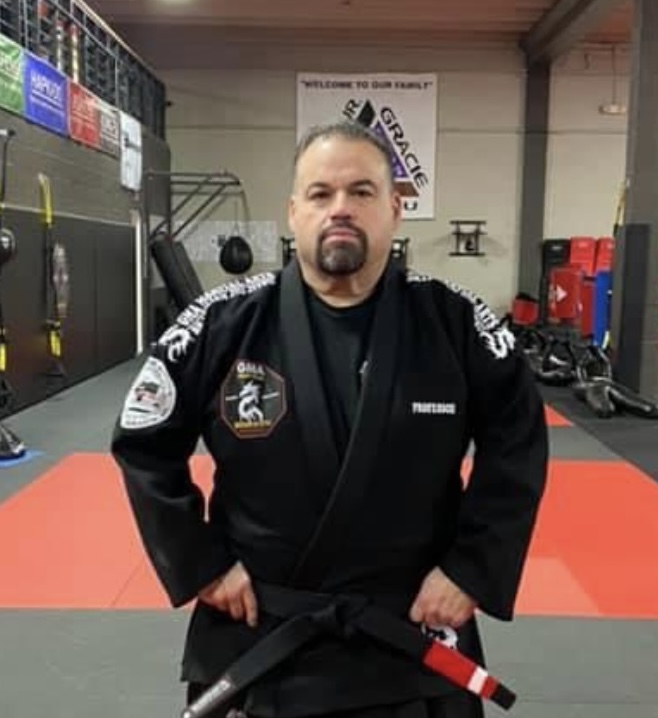
- GMA Professor Konrado
- 13 minutes ago
- 6 min read
One child wants confidence. Another needs better focus. Mom wants practical self-defense, and Dad wants a workout he will actually stick with. That is usually how the search for the best martial arts for families begins - not with a style name, but with a real need at home.
The right answer is rarely one-size-fits-all. Some families need a program where young kids can learn structure and respect. Others want teens and adults training together. Some care most about anti-bullying skills, while others want fitness, stress relief, or a shared activity that brings everyone into the same room. A good family martial arts program should meet those goals without feeling unsafe, overly aggressive, or confusing for beginners.
What makes the best martial arts for families?
For families, the best style is not always the flashiest or the hardest. It is the one that can serve different ages, different personalities, and different goals under clear instruction. That usually means safe coaching, age-appropriate classes, practical skills, and a culture built on respect rather than ego.
A strong family program also needs structure. Children do better when expectations are clear. Adults stay more consistent when classes feel purposeful and welcoming. When a school balances discipline with encouragement, families tend to stay longer and grow more together.
The other factor is realism. Parents often want more than exercise. They want their children to carry themselves with confidence, avoid trouble when possible, and know what to do if trouble finds them. Adults usually want that same peace of mind, along with better conditioning and stress relief.
Brazilian Jiu-Jitsu is one of the best martial arts for families
Brazilian Jiu-Jitsu stands out because it gives smaller people a practical way to control and defend against larger opponents. That matters for adults, but it also matters for children who need confidence without being taught to rely on size or strength.
For families, BJJ works especially well because it is technical. Students learn leverage, positioning, balance, and timing. A child can make steady progress through consistent practice, and an adult beginner does not need to be naturally athletic to start. Everyone has room to improve.
There is another reason BJJ fits family training so well - it teaches control. In a healthy academy, students learn how to stay calm under pressure, think through bad positions, and solve problems instead of panicking. Those are valuable lessons on the mat and outside of it.
The trade-off is that BJJ is close-contact training. Some new students need time to get comfortable with grappling. It also takes patience. You will not master it quickly, and that is part of its value. Families who want practical self-defense, resilience, and a long-term path usually find that BJJ delivers a lot.
Karate and Taekwondo are strong choices for kids and parents
Traditional striking arts like karate and Taekwondo are often excellent entry points for families, especially when parents want visible structure and children respond well to rank progression. Classes tend to emphasize stance, balance, discipline, attention, and respect from day one.
These styles are also easy for many beginners to understand. The movements are organized, the expectations are clear, and students can see progress as they improve technique and earn belts. For younger children, that can be highly motivating.
Families often appreciate the character-building side of traditional striking arts. Good instruction reinforces manners, self-control, and focus, not just kicking and punching. That said, quality matters. Some schools lean so heavily into performance or point-based training that practical self-defense gets pushed aside. If self-defense is a top priority, ask how the school teaches real-world application, distance management, and decision-making under pressure.
Hapkido and self-defense-based training offer practical value
Families who want a broader self-defense focus often look closely at Hapkido or programs built around self-defense fundamentals. These systems may include joint locks, escape skills, takedowns, striking, and situational awareness.
That variety can be a major benefit. Real-world self-defense is not just one range of combat. It includes how to create space, break free, stay balanced, and get home safely. For parents, that practical mindset is reassuring.
The challenge is consistency across age groups. Some self-defense programs are excellent for adults but less effective for younger children if the teaching is too complex or too intense. The best family-oriented schools know how to scale training properly so kids build confidence and awareness without being overwhelmed.
Wing Chun can be useful, but it depends on the school
Wing Chun attracts families who want efficiency, close-range self-defense, and a more technical striking system. It emphasizes structure, timing, centerline control, and economy of motion. For some adults, that makes it appealing because it does not depend on speed or athleticism alone.
For family use, though, Wing Chun is more school-dependent than some other arts. In a strong program, students gain sensitivity, coordination, and practical defensive concepts. In a weaker program, training can become too theoretical. If your family is considering Wing Chun, pay attention to whether the teaching feels alive and functional or overly scripted.
It can be a good complement to grappling or broader self-defense training, especially for adults and teens. For very young children, other styles may offer a clearer path at the beginning.
Tai Chi is excellent for some families, but not for every goal
Tai Chi is often underestimated because people assume it is only slow movement. In reality, it can build balance, posture, body awareness, breathing control, and calm focus. For parents, grandparents, or families looking for a lower-impact way to stay active together, Tai Chi has real value.
It is especially helpful when the goal is lifelong wellness rather than combat sports performance. Students who want to improve mobility, reduce stress, and build steady body control often benefit greatly.
Still, if a family is searching mainly for anti-bullying skills or high-energy self-defense training, Tai Chi probably should not be the only answer. It works best when matched to the right expectation.
How to choose the right martial art for your family
The best decision usually comes down to three questions. First, what does your family need most right now - confidence, discipline, fitness, self-defense, or shared activity? Second, which class environment will keep everyone coming back? Third, does the school teach with both authority and care?
Watch how instructors handle beginners. Do they correct with respect? Do they know how to keep children engaged without letting class become chaotic? Are adults challenged without feeling like outsiders? Family training works best when every age group feels both safe and accountable.
You should also look for a bully-free culture. That phrase gets used often, but it should mean something real. Students should be expected to control themselves, encourage training partners, and train with humility. If the room feels dominated by ego, families usually know it right away.
Practical details matter too. A great style taught in an unsafe or disorganized environment is still a poor fit. Clean mats, background-checked staff, age-appropriate instruction, and clear communication all matter more than flashy marketing.
One style is good. The right school is better.
Families sometimes spend too much time trying to pick the perfect martial art and not enough time choosing the right academy. In reality, a well-run school with strong instruction and traditional standards will often give your family a better experience than a trendy style taught without structure.
That is why many families do best in schools that offer more than one path. A child may thrive in Brazilian Jiu-Jitsu while a parent enjoys self-defense training or traditional striking arts. Over time, those different tracks can still support the same family values - confidence, respect, self-control, and steady growth.
In Gallatin, families often benefit most from training environments that welcome complete beginners while still taking the martial arts seriously. That balance matters. People want to feel encouraged, but they also want to know the training is real.
If you are trying to choose among the best martial arts for families, start with your goals, then visit a school that treats those goals with care. The right program should help your child stand taller, help you feel more capable, and give your family something increasingly rare - time together that builds strength on purpose.
A good martial arts school does more than teach techniques. It gives families a place where discipline and encouragement live side by side, and that kind of training can stay with you long after class ends.


Comments